Thursday, 13 April 2017

48 Hours in Hong Kong: hotels, restaurants and places to visit

Travel essentials

Why go now?

The oppressively hot days of summer will soon be coming to an end and the high-rise metropolis of Hong Kong will once again be a joy to behold. Throw in new flights, a wave of new bars and restaurants and some of the most iconic sights and experiences in the Far East and you’ve got a city break of epic proportions.

Touch down

Hong Kong is served by a number of direct flights from the UK. I travelled with Virgin Atlantic (0844 209 2770; virginatlantic.com), which departs every evening from Heathrow on the new Boeing 787 Dreamliner. Return fares from £460.

British Airways (0344 493 0787; ba.com) also operates from Heathrow, as does Cathay Pacific (020 8834 8888; cathaypacific.com), which from 2 September will also fly from Manchester and Gatwick.

Around 12 hours later you’ll touch down at Hong Kong International Airport (1), located on Lantau Island, 34km north-west of the city centre. The Airport Express train whisks new arrivals to downtown Hong Kong in 24 minutes. Services depart every 10 minutes between 5.54am and 12.48am bound for Central (2) and Kowloon (3) stations. A one-way ticket costs from HKD60. A taxi will cost from HKD285 to Hong Kong Island and HKD220 to Kowloon.

Currently, £1 is worth HKD10.31, while US$1 is worth HKD7.76.

Get your bearings

The British have long had a love affair with Hong Kong. A colony until it was handed back to China in 1997, it is now an autonomous “special administrative region” of the People’s Republic. It consists of 263 islands and a peninsula that juts down from mainland China.

The principle destinations for visitors are historic Kowloon and Hong Kong Island, located to the south on the other side of Victoria Harbour and known for its futuristic shoreline crammed with gleaming skyscrapers. But the outlying islands – notably Lantau, the largest in the archipelago – are also worthy of some attention.
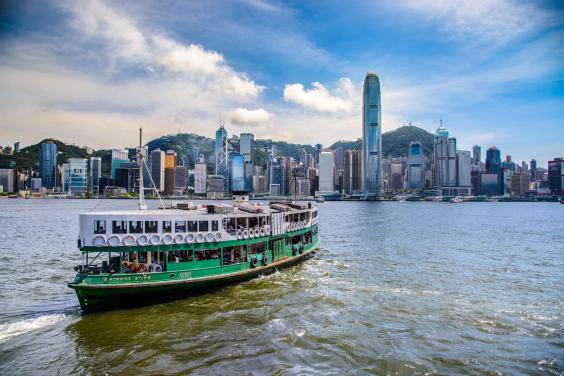
star-ferry.jpg
The Star Ferry is a ride that's not to be missed, offering unique city views (Hong Kong Tourism Board/discoverhongkong.com)

The main tourist information centre (4) is at the Star Ferry Concourse in Tsim Sha Tsui (00 852 2508 1234; discoverhongkong.com; 8am-8pm daily).

Check in

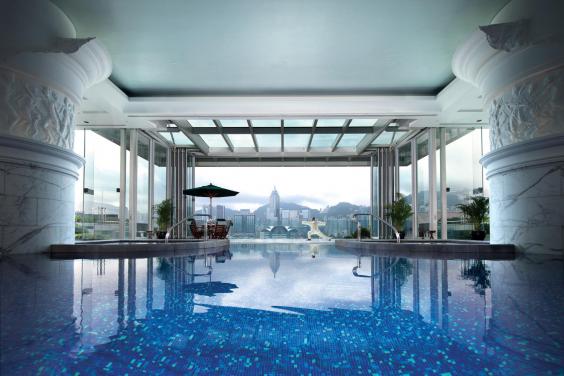
Dating back to 1928, the Peninsula Hotel (5) on Salisbury Road (00 852 2920 2888; hongkong.peninsula.com) may be the oldest hotel in Hong Kong but there are 21st century touches throughout: rooms with king-sized beds, waterfall showers and specially designed control panels. Elsewhere, unwind at the heavenly spa with treatment rooms overlooking Victoria Harbour. Doubles from HKD3,880, room only.
Book Now
peninsula-hong-kong-pool.jpg
Unwind at the Peninsula's spa, with treatment rooms overlooking the Victoria Harbour (Peninsula Hotel)

Design property Hotel Icon (6) at 15 Science Museum Road (00 852 3400 1000; hotel-icon.com) is kitted out with contemporary Chinese art but it’s the harbour views that really impress. Doubles from HKD1,846, room only.

Book Now

The 148-room Butterfly on Hollywood (7) at 263 Hollywood Road (00 852 2850 8899; butterflyhk.com) is stylish, well located and reasonably priced. Doubles from HKD710, room only.

Book Now

Day one

Take a hike

Start at one of Hong Kong’s oldest temples. Dedicated to the gods of war and literature, Man Mo temple (8) at 124 Hollywood Road (00 852 2540 0350; 8am-6pm) was built in 1847 and its crimson interior is heady with the aroma of countless coils of burning incense. From there, cross the road and walk down the short flight of stairs, turning left onto Cat’s Street (9). This pedestrianised strip is lined with stalls selling faux antiques and quirky souvenirs. Chairman Mao watch, anyone?
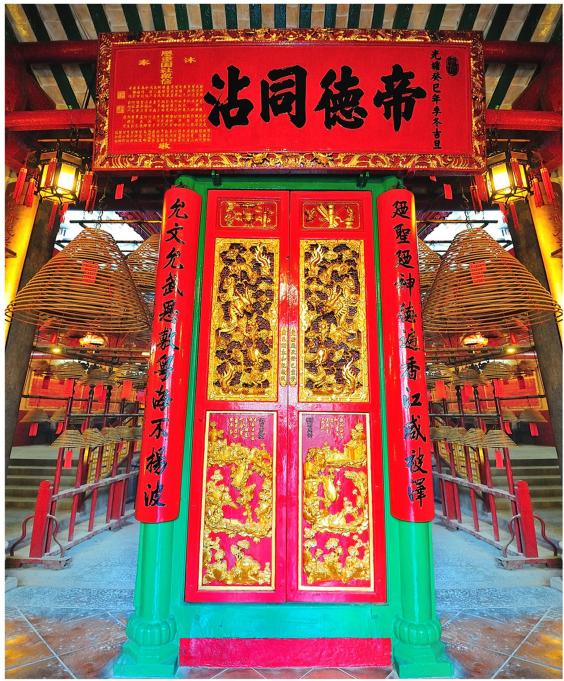
cnh-tmp-mmh-0033-mr.jpg
Take in the historic Man Mo temple, built in 1847 (Hong Kong Tourism Board/discoverhongkong.com)

Backtrack onto Hollywood Road and walk east. Pause for a maca-taha smoothie (coconut yoghurt, maca powder, chia seeds and spinach) at Grassroots Pantry (10) at number 108 (00 852 2873 3353; grassrootspantry.com; 9am-11pm) and continue, keeping watch for the interesting street art on display at the junctions to other streets. Finish at Shelley Street where you’ll find the Mid-Level Escalators (11), a pioneering elevated walkway system that extends over 800 metres in a bid to provide the thousands of residents living on the steep hillsides with easy access to Central.
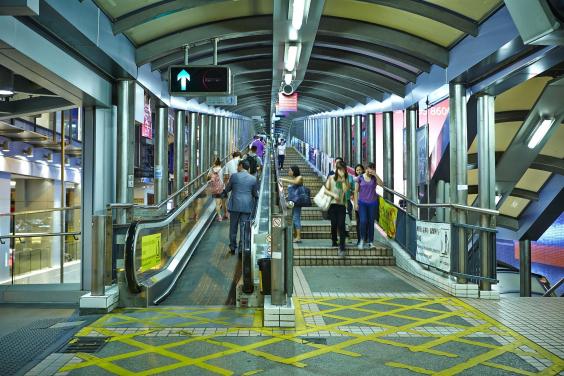
mid-level-escalator-hong-kong.jpg
The Mid-Level Escalators were built to connect the city's steep hillside areas to Central  (Hong Kong Tourism Board/discoverhongkong.com)

Window shopping

Mong Kok (12) in Kowloon is the place for gadgets, but far more interesting are the fine art and rare Chinese artefacts on show in the antique stores along Hollywood Road (13).

Hong Kong is also home to some of the best tailors in the world. Gents can get a bespoke suit from Cuffs (14) at 2F 27 Lee Garden Road (00 852 241 36033; cuffs.hk), which has recently opened its second store in Causeway Bay. Favouring more contemporary designs, owner Ian Fong has devised a unique process that customises everything from the cut to the thread of the buttons. Typical opening hours are 10am-8pm daily.

Lunch on the run

Read more

Where to eat in Hong Kong: Join the queue for a culinary

Replenish your energy levels with a plate of stir-fried scallops with black garlic (HKD248) at SohoFama (15) at 35 Aberdeen Street (00 852 2858 8238; sohofama.com; 12pm-10.30pm daily) – best enjoyed at an outdoor table beside the restaurant’s vegetable garden.

SohoFama forms part of the PMQ complex (00 852 2870 2335; pmq.org; 7am-11pm daily), a former police station transformed into a creative space with around 100 independent food and retail outlets, many design – and fashion – focused with local connections.

Take a view

There’s no better vantage point to appreciate Hong Kong’s vertiginous skyline than from Victoria Peak (16) (00 852 2849 0669; thepeak.com.hk; 10am-11pm daily), best seen at dusk. If time permits, walk the one-hour circular Peak Trail for a different perspective. The nicest way to reach the 552m summit is on the gravity-defying 125-year-old Peak Tram which departs from 33 Garden Road (17), in Central, every 10-15 minutes between 7am and midnight. A return ticket costs HKD83. Pre-book tickets as queues are often lengthy.
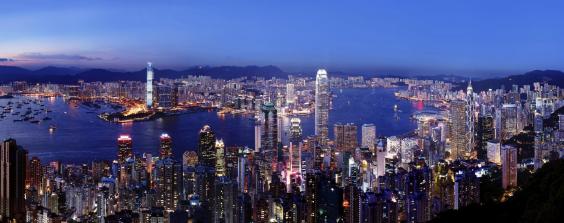
hong-kong-victoria-peak-view.jpg
Victoria Peak is the best place to get a full view of Hong Kong's extraordinary skyline (Hong Kong Tourism Board/discoverhongkong.com)

An aperitif

The newest and hottest bar in town is Ophelia (18) at 1/F The Avenue, Lee Tung Avenue (00 852 2520 1117; ophelia.com.hk; 6pm-2am closed Sunday and Monday), where cocktails are served in birdcages. Pass through the aviary-themed entrance and into a decadent and dimly-lit space inspired by the city’s 19th century opium dens. The attention to detail is astonishing – there are 600,000 handpainted ceramic tiles with peacock eye motifs and resplendent feathers. Try the “Cheongasm” cocktail with tequila, homemade pomegranate cordial, lemon and cinnamon mist.

Dine with the locals

Hong Kong’s culinary scene is not only exciting but also constantly evolving with new innovative restaurants opening on an almost daily basis. One such eatery is Cobo House (19) at 8/12 South Lane (00 852 2656 3088; cobohouse.com; 12pm-11pm daily), from celebrated pastry chef Janice Wong. Dishes include duck breast with herbs and mocha mugi (a Japanese glutinous barley), and cod with smoked aubergine puree and dill cream. Mains from HKD168.

Another new hotspot is QI Nine Dragons (20) at 20/F Prince Tower, 12A Peking Road (00 852 2799 8899; qi-ninedragons.hk) which serves blow-your-socks-off Sichuan cuisine. Even the chocolate ice cream is spicy. Try the fried calamari with Sichuan miso (HKD128) and cool off with a nightcap on the rooftop terrace.

Day two

Sunday morning: out to brunch

Do as the locals do and dine out on dim sum. But not just any old dim sum. Upon first impressions there’s nothing particularly special about Tim Ho Wan (21) at 2 Hoi Ting Road (00 852 2332 2896; timhowan.com; 10am-9.30pm daily) – the dining room crowded and a little drab with people eating on black plastic plates – but looks can be deceiving. Considered to be the cheapest Michelin-starred restaurant in the world, the dumplings are simply divine. Go early to avoid the queue. The slightly sweet barbequed pork buns are not to be missed. Dishes from HKD18.

A walk in the park

Kowloon Walled City Park (22) on Tung Tsing Road (00 852 2716 9962; 6.30am-11pm daily), with pavilions and peaceful pathways, is based on the Jiangnan gardens of the Qing Dynasty and has a fascinating history; it stands on the site of a former ungoverned settlement that was once the most densely populated place on the planet.
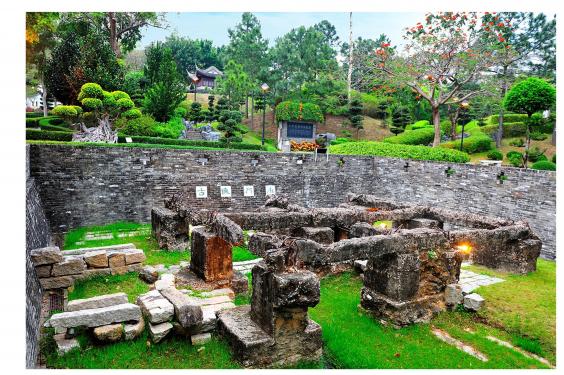
kowloon-walled-city-park-hong-kong.jpg
Kowloon Walled City Park was once a bustling sought-after space, now a city garden (Hong Kong Tourism Board/discoverhongkong.com)

Fought over by both sides when Britain leased Hong Kong from the Chinese, it was eventually abandoned by both nations and became a place of brothels, opium dens and unlicensed health practitioners with 350 residential tower blocks crammed into an area the size of four football fields. The city was torn down in the 1990s.

Cultural afternoon

Discover more of the city’s colourful past at the Hong Kong Museum of History (23) at 100 Chatham Road South (00 852 2724 9042; lcsd.gov.hk; 10am-6pm daily except Tuesday; HKD10), which traces 400 million years of geological and cultural history.
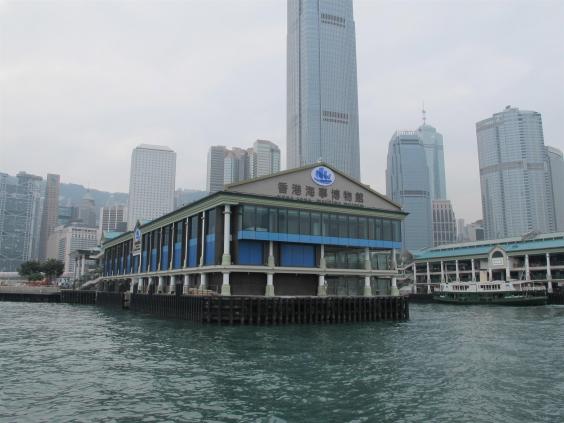
hong-kong-maritime-museum.jpg
Immerse yourself in Hong Kong's rich history with the sea (Hong Kong Tourism Board/discoverhongkong.com)

Alternatively, focus entirely on its relationship with the sea at the Hong Kong Maritime Museum (24) at Central Pier 8 (00 852 33717 2500; hkmaritimemuseum.org; HKD30) which documents the naval history and trade of the city and the surrounding Pearl River Delta.

Take a ride

No trip to Hong Kong would be complete without at least one ride on the green and white Star Ferry (starferry.com.hk) across Victoria Harbour. Boats depart every 8-12 minutes between 7.20am and 11pm from Tsim Sha Tsui Pier (25) in Kowloon, and two piers on Hong Kong Island: Central (26) and Wan Chai (27). The crossing takes around eight minutes and one-way tickets cost from HKD2.50.

Icing on the cake

Green and mountainous Lantau Island, which sits at the mouth of the Pearl River, is ripe for adventure. Ride the panoramic cable car, stand under the 34m-tall bronze Tian Tan Buddha (28) and hike the three-hour Dragon’s Back Trail for views across the island, its peaks and bays.
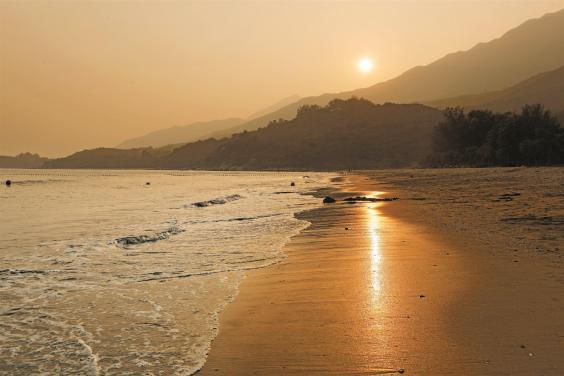
lantau-island.jpg
Lantau Island is the ideal destination for those looking for adventure (Hong Kong Tourism Board/discoverhongkong.com)

Also set aside time to visit the traditional fishing village of Tai O, where homes are built on stilts above the tidal flats. Stay overnight at the charming colonial style Tai O Heritage Hotel (29) on Shek Tsai Po Street (00 852 2985 8383; taioheritagehotel.com). Doubles from HKD710, including breakfast.

Click here to view Asian tours and holidays, with Independent Holidays.

Oakland: How San Francisco's poor cousin became the coolest city in the Bay Area

Why go now?

Long dismissed as a dangerous ghetto on the wrong side of the Bay Bridge, industrial port city Oakland has lately earned itself a rep as a more down to earth, soulful version of rival San Francisco, which twinkles in all its tech-dollar glory just eight miles away, across the water.

In fact, Oakland grudgingly owes this new lease of life - and falling violent crime rates - to its better-known older brother. Thanks to SF’s increasingly unaffordable rents, Bay Area creatives are decamping here, reviving neighbourhoods with exciting restaurant, bar and arts scenes. Where once gritty Oakland was considered a no-go area, today it is attracting curious visitors with new venues like car-dealerships-turned-brew-bars and warehouse wineries, and the inherited beauty of the Oakland Hills and Lake Merritt. So much so that, on March 28, British Airways launched flights to Oakland International from Gatwick.  

But even if you consider Frisco the main attraction, basing yourself in Oakland can be a shrewd move. The East Bay airport is a smaller, quieter operation to fly into and only a mile further from SF’s Downtown than SFO; plus, if you don't mind settling for basic accommodation, the hotels can be much cheaper. And Oakland certainly deserves at least two days of your time: people might say the heart left San Francisco in a flood of Silicon Valley money, but you can find it again here. 

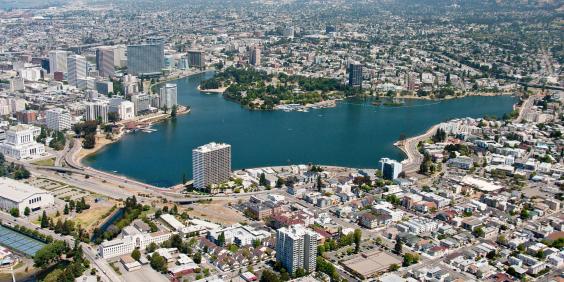
aerial-photos-lake-merritt-the-heart-of-oakland-photo-by-steven-dos-remedios.jpg
An aerial view of Lake Merritt in the centre of Oakland (Steven Dos Remedios)

Get your bearings

Oakland’s main attractions are set in a compact, walkable area to the south and east of Lake Merritt (1), a tidal lagoon and urban park in the heart of the city. You’ll be most interested in the theatres, bars and restaurants of Uptown (2), shopping in Downtown (3), and waterfront entertainment at Jack London Square (4), which sit in a neat line from north to south. The city runs a free shuttle bus along Broadway stopping at all of them; the “Free B” (bshuttle.com) comes along every 10-15 minutes. 

Day one

Take a view

To get a knockout overview of the area, head behind the 100-year-old Claremont Club & Spa (5) (fairmont.com/claremont-berkeley) in the Oakland Hills. This East Bay icon and designated historical landmark sits at the foot of the Stonewall Panoramic Trail (6), which offers a steep climb through a eucalyptus grove to give sweeping views of Oakland, Berkeley, and San Francisco Bay below. Though only 1.6 miles long, it really is steep - no judgement if you settle for the first lookout point just above the sports field. 

Window shopping

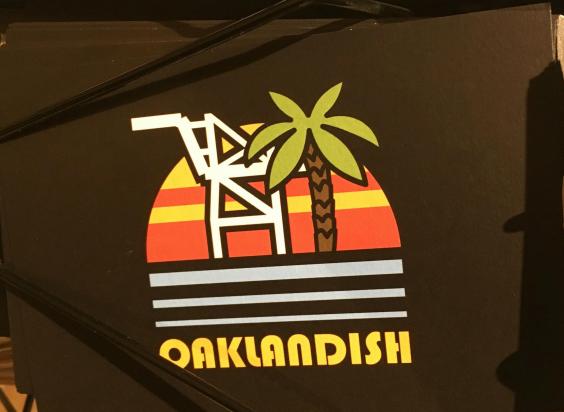
Now heading Downtown, Oaklandish (7) (oaklandish.com) is more than a cool local apparel store. Its Oakland-branded tees, hoodies, mason jars and even skateboard tape aim to create civic pride in a troubled town and, in using pro bono design work and marketing, the business is able to donate 10 per cent of its proceeds to grassroots, non-profit community groups and gives inner-city jobs to struggling youth. Note the realism in the designs; one represents “Oakland Paradise” with a palm tree and a port container crane. 

oaklandish-laura-chubb.jpg
The Oaklandish store's Oakland apparel features down-to-earth designs (Laura Chubb)

Venture slightly south into Old Oakland and see the historic street lamps lining 9th, a street stuffed with indie boutiques. Check out the elegant homeware fashioned from reclaimed wood and Coke bottles in just-opened Shop Be Home (8) (shopbehome.com), or the American-crafted goodies in Marion & Rose Fine Goods (9) (marionandrose.com), great for funny, hand-drawn cards and uniquely scented candles (shout out to “fresh air and sea salt”). 

Lunch on the run

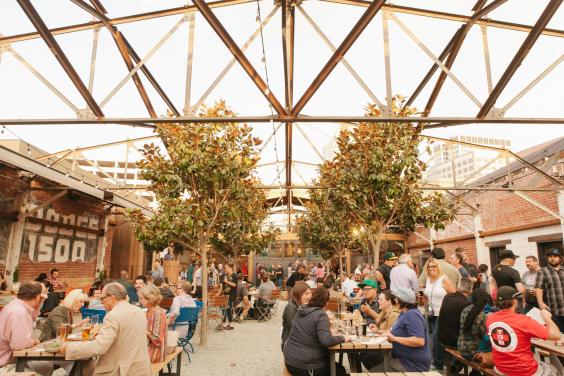
Oakland’s economy was built on shipyards and automobile services, and while the city can still claim the fifth-busiest port in the US, General Motors’ manufacturing facility shuttered in the Sixties. Drake’s Dealership (10) (drinkdrakes.com) pays homage to the past by slinging wood-fired pizza and house-brewed beers in an old red-brick Dodge dealership - the open-air beer garden, under the iron skeleton of the original roof, is a must if weather allows. Get your pizza “Draked” by adding a slow-poached duck egg or order up poutine with double-duck gravy. Servers dressed in Fifties-style autorepair shop shirts help you navigate the lengthy beer list. Take a moment to observe the mixed crowd of man-bun hipsters, families, couples and older groups, a sign of Oakland’s strong community feel. 

drakes-dealership1.jpg
Pair pizza with craft beers at Drake's Dealership, a former Dodge showroom (Drake's Dealership)

Take a hike

Oakland hasn’t just hopped aboard the craft beer bandwagon - its surplus of warehouses and proximity to California wine country has fostered a fertile crop of urban wineries. The Urban Wine Trail (oaklandurbanwinetrail.com) stretches east to west around Jack London and is a great way to explore on foot. Each winery has its own story and style, from the lighter French-accented wines of Dashe (11) (dashecellars.com), co-owned by a couple from Brittany and LA, to the focus on family-owned wineries at Rosenblum (12) (rosenblumcellars.com), which started life in a factory on the docks in the Seventies and now occupies a more romantic waterfront position by Oakland Ferry Terminal. 

Dine with the locals

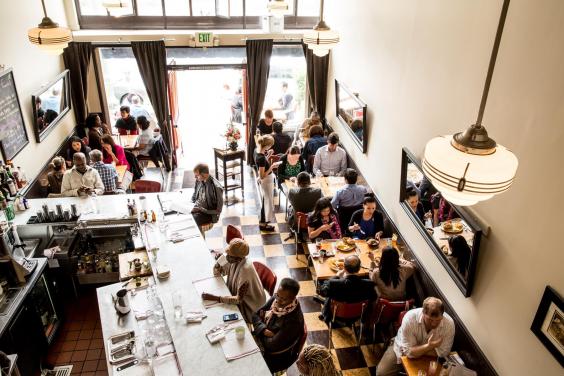
Five years ago, the stretch of San Pablo Avenue south of John B. Williams Freeway was no good to anyone. Then Hopscotch (13) (hopscotchoakland.com), a collab between a bar manager and a chef who had worked at the same SF restaurant, gave people reason to make the pilgrimage. Today, it’s a hoppin’ thoroughfare proffering craft coffee, Indian street food, and long lines for California-Korean burritos. But Hopscotch remains the main event: Japanese-meets-American comfort food, a seriously inventive cocktail menu (pisco, meet beet vodka) and a fun, unforced environment of found art and fixtures. Best reserve ahead.

hopscotch-proof-278.jpg
Hopscotch is a Japanese-American eatery decked out in found fixtures (Hopscotch)

Day two

Sunday morning: out to brunch

Start your day a short stroll from Lake Merritt (1), where new kid on the block The Gastro Pig (14) (thegastropig.com) prides itself on its #baconslut breakfast sandwich - aleppo chile aioli, cheese, over-easy egg and bacon on sweet brioche. But better still is the waffle iron hash brown with melted cheddar and spring onion - you’ll wonder how on earth you ever lived without it. Co-owner Ann Thai, another SF refugee turned Oakland entrepreneur, walks round chatting to customers and gave us a top tip - order up a cup of their creamy tomato soup for hash brown dunking. Too good. 

A walk in the park

Work off brunch with a turn around the grassy shore of Lake Merritt (1), packed with joggers and amblers on weekends. A serene oasis in the midst of Downtown skyscrapers and traffic, spot rowing teams and sailboats on the water, and to the east of the lake you’ll see the glass-and-steel exterior of the futuristic Cathedral of Christ the Light (15). Make a pit stop at Lake Chalet (16) (lakechalet.com), serving seafood, Southern fare and craft brews from sister SF resto and brewery The Beach Chalet. Grab an al fresco table on the dock if you can. 

lake-merritt-gondolier-photo-by-jerry-ting.jpg
Hire a gondola for a tour of Lake Merritt (Jerry Ting)

Take a ride

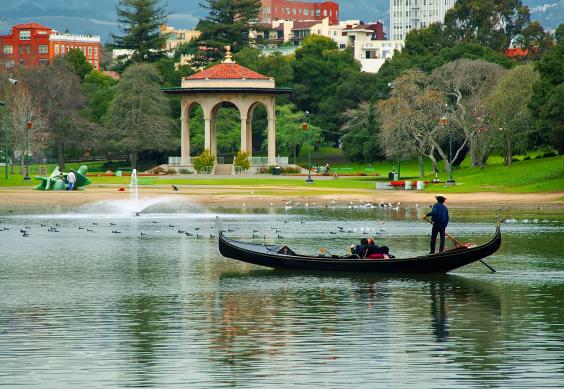
Surreal as it may seem, for US$60 you can take a 30-minute gondola tour of the lake, rowed by a stripy-T-shirt-clad gondolier who’ll even sing to you in Italian. Gondola Servizio (17) (gondolaservizio.com) was launched by a genuine Venetian gondolier who moved to Oakland for love. He imported the gondolas, took on some local apprentices, and now offers a splash of Venetian romance in inner-city O-Town, peppered with fun local facts (who knew Oakland invented the Mai Tai and the fortune cookie folding machine?). Bonus: you can BYOB. 

Cultural afternoon

Sunday afternoons are made for museums. Right by the lake, the Oakland Museum of California (18) (museumca.org) hosts special exhibitions, like the recent “Rise of Sneaker Culture” show, as well as permanent galleries. Don’t miss the excellent Gallery of California History, which covers everything from how the state got its shape to Japanese internment and the making of Hollywood. You’ll need a good two hours to make the most of it. 

entertainment-fox-theater-exterior-hi-res-tom-tomkinson.jpg
Uptown Oakland's lavish Fox Theatre has hosted some of the world's biggest bands (Tom Tomkinson)

The icing on the cake

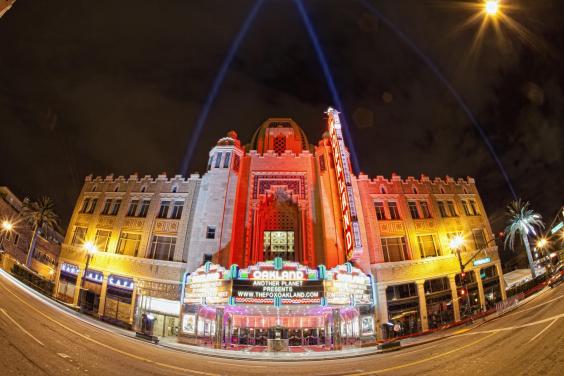
If you plan ahead, you could catch a gig at Uptown’s Fox Theatre (19) (thefoxoakland.com), a city mascot and trippily Ottoman-ish example of lavish 1920s architecture. Upcoming gigs include Bonobo, Deamau5 and The Flaming Lips. 

Or keep it sweet and head to old-school Fentons Creamery (20) (fentonscreamery.com). This ice cream parlour dates back to 1894 and claims to have invented the Rocky Road recipe. The menu offers almost 40 regular and 18 seasonal flavours. Watch out for the gut-busting sundaes. 

Getting there

Oakland International Airport (21) is around 10 miles south of Downtown Oakland. Both British Airways (ba.com) and Norwegian (norwegian.com) fly there from Gatwick. The BART train (bart.gov) connects to Lake Merritt - a single ticket costs $7.95. Or make like a Bay Area local and order an Uber - there’s a dedicated “Smartphone App Rides” pick-up point outside arrivals. An UberPool to Downtown costs from around $13, or UberX from approx. $31.  

claremont-club-and-spa-a-fairmont-hotel.jpg
You can see the tower of the Claremont Club & Spa from Bay Bridge on a clear day 

Staying there

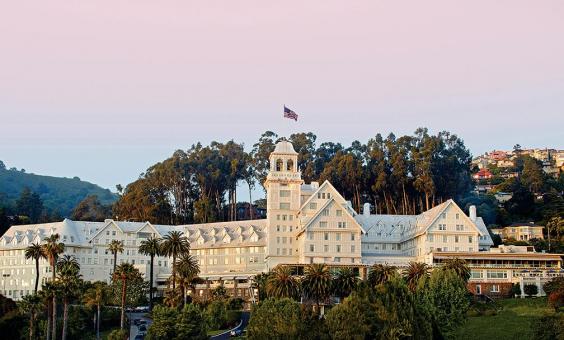
Styled as an “urban resort” in the Oakland Hills, the Claremont Club & Spa’s (5) (fairmont.com/claremont-berkeley) historic white building stands as a decadent symbol of the early days of the Gold Rush. Recently acquired by Fairmont, all 276 guest rooms have just undergone major modernisation. While the building resides in Oakland, the spa and palm-dotted gardens technically belong to Berkeley - perhaps to uphold its chi-chi reputation, the hotel has a Berkeley address. For a stylish stay in the city, and unbeatable views of the Bay, nowhere else comes close. Rates from $292 per night, room only, inclusive of taxes and facilities charge.

If you're on a budget and don't mind basic, the Imperial Inn motel (22) (imperialinnoakland.com/motel) is just a block from the McArthur BART station, which takes you to Downtown. Rates from around $80 per night, room only.

More information

visitoakland.com

Tuesday, 11 April 2017

Martin Kemp talks holidays and making movies

We chat to much-loved TV favourite Martin Kemp about helping 10-year-old avid film fan, Beth Ward, transform her homemade holiday film into a movie masterpiece…

It all started when we received a heart-warming letter from 10-year-old film fan, Beth Ward, telling us all about her holiday to First Choice’s Azul Fives by Karisma in Mexico and urging us to watch her homemade holiday film. We decided to make her dream of becoming a filmmaker a reality, and enlisted the help of actor and director Martin Kemp. He gave Beth a special masterclass in directing, and even helped her to edit her very own holiday film. You can read more about Beth’s story here and watch our film below.


In between putting together Beth’s film, we chatted to the British star about his amazing travels, extensive career, and how to make a great holiday movie…

You must have travelled all over the world throughout your career. Where are your favourite places?

If I wanted to go on holiday to relax, I’d probably go to Barbados, but I’m kind of easy really. Once I’m on the beach and I’ve got my eyes shut and a cocktail in my hand, then I’m just really relaxed and could be anywhere. So sometimes we’ll plan __holidays to far off places like Hawaii and sometimes we’ll stick close to home and do Spain, it’s just whatever takes us in the moment. But saying that, the older I get, the closer to home I like to be.

The most exciting place that I ever go to is Hong Kong. That for me has got everything that I love about the East – just how nice the people are – and it’s got the excitement of New York, so it brings the two things together. Whenever I’m there I just feel this buzz that I don’t get anywhere else.

Where would you jet off to for a short break?

For a short break, I would go to Italy. I’m in love with Italy. I spent a lot of the eighties touring up and down the country with Spandau Ballet and we pretty much covered it all, because that was our biggest fan base outside of the UK. We just toured there two years ago, and played all of the old Gladiator arenas like Verona Arena and the one in Sicily. It’s the most incredible country, and if I moved abroad I would move to Rome. I love the food there, the restaurants are unbelievable, the people are amazing and I like their lifestyle.

What kind of traveller are you? Do you prefer the beach, city sightseeing or activities?

I prefer to mix it up a bit. I like to go somewhere that has a beach, definitely, but also where you can get out and have a bit of adventure. I couldn’t go to the beach every day – although when I was a bit younger I probably could have. I’ll usually do a couple of days of exploring the nearby cities, and then get stuck into mountain biking or whatever the area has to offer. And then, when I’m completely knackered I go to the beach or pool – a good swimming pool is really important! But, I like to come back from a holiday feeling like I’ve achieved something other than just a suntan.

You’re a well-known face on British screens – both from performing with Spandau Ballet and playing Steve Owen in Eastenders – but how did you move into working behind the camera?

The very first thing that I bought with my wages from Spandau Ballet, which was £70 at the time, was a Super 8 camera. That camera went with me everywhere around the world. And in fact, lots of the footage I took on that camera ended up on the Spandau Ballet documentary we had out recently, called Soul Boys of the Western World.

Cameras have always been a part of my life, thanks to my career, and whenever I go away I take one with me. It’s something I’ve always done, and when I get home, I edit the footage into short two-minute movies so people don’t get bored of the 45 minute shots. What I love about making films is that it involves everything I do in entertainment. It involves photography, music, acting – it’s everything that I do wrapped up in one big bubble.

Do you have any memories of yourself or your children growing up on film?

Not of me unfortunately, no. I don’t have anything on film from when I was a kid, as my mum and dad barely had the money to take us on holiday. It was expensive to take still pictures and get them developed in those days as well. How they got us on holiday in the first place I’ll never understand to be honest, they must have saved up a lot.

So, my early memories aren’t on film, but maybe that’s why when I go away with my kids, I take a GoPro and film as much as I can. But even when we get back and I’m looking at the films I’ve taken of my kids, no matter how many I’ve got on there, I always want more. You just can’t film enough of your kids and those holidays, because they’re such great memories.

Your daughter Harley, 27, is also a photographer, has she given you any tips over the years and vice versa?

Well, I gave her all of my tips, and now she’s teaching me hers. Harley’s a photographer, my son Roman is in the entertainment business, and my wife Shirlie is a photographer as well. So in my house we’re all in the same industry and we all share the knowledge. But Harley is a really good photographer, so that’s her specialist area.

Your son Roman, 24, is a keen Instagrammer, what are your thoughts on today’s social media generation?

I think it has got its good sides and its bad sides. The good sides are that people are doing something artistic, cutting footage together on their phones, and making great little videos for people to watch online. Everyone has access to that medium and the chance to become a presenter, even if just ten people watch it. But, obviously, there’s a danger that goes with social media and we all know what those dangers are and have to be aware. I use Instagram and Twitter, but just to upload onto and put stuff out there.

What was the best part of editing Beth’s holiday film?

It was Beth absolutely. She comes from that YouTube generation where all the kids know how to turn the camera on themselves and present. She did it with such charisma that when I was editing her film, I kept as much of her in as possible, because she is the driving force and charm of the film.

Did you learn a lot from her then?

I learn from all kids. When you watch kids do anything, they do it with a kind of naivety – they just do it for fun and say what they think without worrying about the way they look. I think all adults can learn a lot from kids, actually.

What word would you use to sum up Beth’s holiday film and why?

Exciting. I think it was really exciting. What she was showing us, the holiday in Mexico she was on with her family – you could feel how happy they were. It came across as really exciting.

What advice or tips would you give to somebody who wants to create a memorable holiday film?

There’s a few tips really. My big one is to always shoot something in a wide angle, a medium angle and a close-up. If you use those three angles in the same variant, like filming a conversation, you will be able to cut together something that’s fantastic. When I’m looking through a camera I will always try and capture those three angles of a single scene. Also, hold the camera steady when filming and move it slower than you think.

Who are your favourite film directors?

I think Martin Scorsese, easily. Goodfellas is my favourite film, and that’s directed by him. Another old classic that I love is Sunset Boulevard.

Quick fire questions:

Sun or snow

Sun

Beach or pool

Beach

Short haul or long haul

Both – there are some amazing places to travel to long haul, but the Med is just easier to get to.

You can watch Beth in Mexico in Vue nationwide this spring. Find out more about our First Choice holidays.
Friday, 7 April 2017

Not just Brits and booze: How to do Paphos, Capital of Culture 2017, in two days

Why go now? 

On the last weekend of January Paphos takes over as joint European Capital of Culture (along with Denmark’s Aarhus). The ancient port, soaked in Greek mythology and legendary birthplace of Aphrodite the goddess of love, is set around one of the most dazzling harbours in the Mediterranean. 

In a sense Paphos has already been a city of culture for more than two millennia. Throughout 2017 it will be a happening place, drawing on its classical and mythological heritage as themes for a year-long “open-air factory of culture”. This will be made up of dance, musical and theatrical performances in parks, beaches and on the streets. 

Get your bearings

Paphos is out in the far west of Cyprus where the mountains meet the sea. There are two distinct sectors: Ktima, the stately old town, uphill and inland, where there are elegant colonial houses and several museums; and Kato Paphos, the main tourist area of restaurants, souvenir shops, low-rise apartments and a few British pubs scattered around the harbour.

The resident population is only about 60,000 but numbers are swollen year round by tourists. One reason it was chosen as cultural capital is because it is a 12-month destination; winters are warm, mild and generally sunny with January temperatures often nudging 20C. Summer – the peak beach season – is hot, while spring and autumn are usually cool enough for sightseeing while warm enough to swim. 

Day one

Take a hike

Stroll along the Kato Paphos waterfront (1) towards the harbour and castle, keeping the sea to your left. The east to west direction is important because it leads to the Paphos Archaeological Park (​2) (open 8am-7.30pm every day, entry €4.50). It will take the rest of the morning to hike round the vast, Med-side ruins of Neo Pafos, an ancient city founded in the 4th century BC and the capital of Cyprus for nearly a millennium.

saranta-kolones-fortress-paphos.jpg
Saranta Kolones Fortress was once an impressive castle

Stop at the House of Dionysos and prepare to be mesmerised by glittering mosaic floors depicting stories from Greek mythology. It is worth taking the time to follow some of these, such as the tragic tale of Phaedra and her bizarre love for her stepson Hippolytus.   

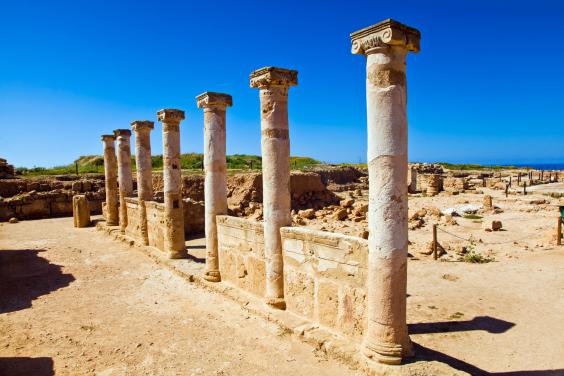
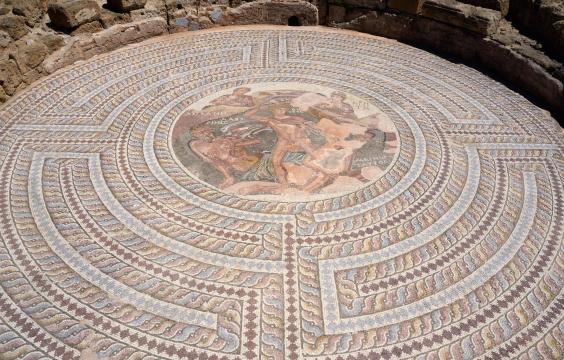
Continue on round the park making sure not to miss more amazing mosaics at the Villa of Theseus, where the depiction of Theseus fighting the Minotaur in the labyrinth is astonishingly well-preserved and vivid. Then pass by the Agora (forum) and semi-circular Odeon theatre, on your way to wander among the arches and columns that are all that remain of the Saranta Kolones fortress, a vast Byzantine castle from the latter days of the Neo Pafos era.

mosaics-at-villa-of-theseus-archeological-park-tombs-of-kings.jpg
The mosaics at the Villa of Theseus are not to be missed

Lunch on the run 

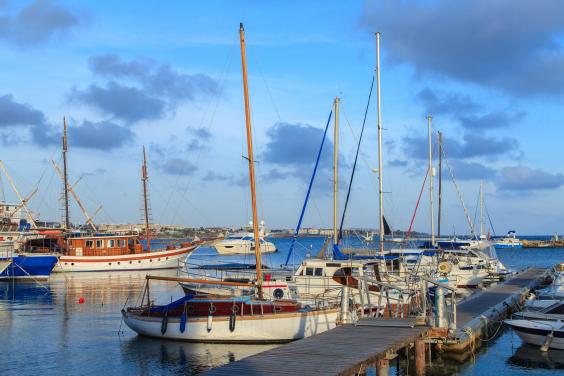
The archaeological park exit is bang next to the harbour. Bag a table at The Pelican (3) on Apostolou Pavlou Ave 102 (00 357 26 952500; no website) by the waterside for a seafood mezze of everything from soft-shell crabs to grilled cuttlefish and freshly-landed swordfish. It is on the pricey side but the setting, looking across to the medieval castle, is unimprovable. 

Window shopping

Duck into the winding Kato Paphos backstreets (4) behind the rows of tat-peddling tourist shops along the harbourside main drag. You’ll find a bewildering amalgam of boutiques selling local jewellery, ceramics and handmade lace, all cheek by jowl with familiar-sounding department stores such as M&S or Debenhams (5). The latter is just behind the stone pillar where St Paul was tied up and whipped for spreading the news about Jesus Christ.

paphos-harbour.jpg
Stop for lunch at The Pelican, overlooking Paphos harbour

The best bargains in Cyprus, however, are for spectacles. Bring your prescription, choose your frames and get a new pair in 24 hours, all for around €50-60 at any of the numerous opticians. 

Some shops are closed on Sundays and on Wednesday afternoons. In summer, some close from 1-4pm for a long lunch, but stay open till 8pm.

Take a view

The Axiotheo Hotel (6), at 2 Ivis Malioti Street (00 357 2693 2866; axiotheahotel.com), set into a hillside above Ktima or 10 minutes by taxi from the harbour, has the standout panorama. You don’t have to be staying here to sip a sundowner cocktail while soaking up views over the town, coastline and Mediterranean beyond.

Dine with the locals

Ktima, the old town, is the place to dilute tourists with Cypriots. Fetta’s (7) at Ioanni Agroti 33 (00 357 2693 7822; no website) is as traditional a taverna as you’ll find anywhere in Paphos, specialising in classic local dishes such as stifad, a rich stew of beef with onions and red wine, and koupepia (various ingredients, meaty or veggie, wrapped in young vine leaves).

  • Read more

Why Manila is Asia's most bonkers capital

There is no attempt at anything fancy or fussy. If you go the whole mezze hog, you’ll find it less fishy than at harbourside eateries. When booking, you can choose a table indoors or outside.

Day two

Sunday morning: out to brunch

Omikron Brunch, in a beautiful renovated old Ktima House (8) at 25 Martio (00 357 2695 5965; no website) will keep you away from the “Full English Served All Day” cafés found round the harbour. Inhale aromas of fresh ground coffee and sip homemade lemonade before poached eggs on muffins served with local twists, such as crumbled feta. It’s very chic and perhaps the only place in Paphos specialising in brunch. Open every day from 7am till 10pm. 

tom-of-the-kings-edit.jpg
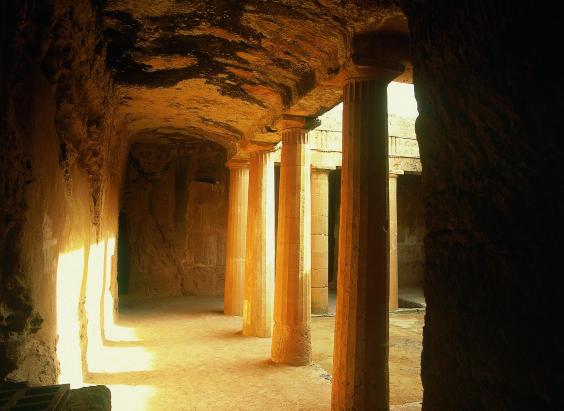
Explore excavated burial chambers at the Tombs of the Kings (Cyprus Tourism Organisation)

A walk in the park

Return to the harbour and follow the coastal path westwards. The scenery becomes increasingly wild with jagged rocks and crashing waves as you swing north round the headland. Make for the lighthouse beach bar (9) about 2km on, before retracing your footsteps. Or stop at one of the pebbly coves for a dip.

Cultural afternoon

The so-called Tombs of the Kings (10) (open 8.30am-7.30pm every day, entry €2.50) is another unmissable expanse of ancient wonders. Slightly confusingly, it forms part of the Paphos Archaeological Park (2), though the pair are separate. Scores of excavated tombs and burial chambers in soft, sandstone caves and pits dug into the ground make up this astonishing necropolis, dating from the 3rd century BC. However, they served as final resting places for local bigwigs, not royalty as the name suggests.

1969247-782621661779588-4150147002797798873-n.jpg
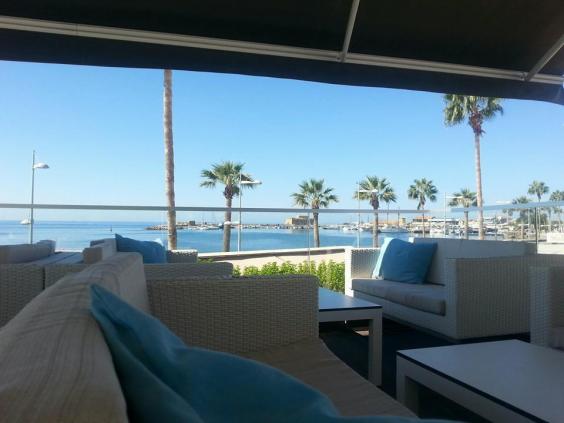
The view from Mare Mare bar, a great spot for pre-dinner drinks (Facebook)

An aperitif

As the sun sets, Cypriots sip Koumantaria, the tawny-coloured local “wine of kings and king of wines” grown in the foothills of the Troodos mountains. It is sweet, so often described as a dessert wine, but to go native try it with nibbles before dinner at Mare Mare bar (11) on Poseidon Avenue (00 357 2693 1987; no website), while watching evening colours dancing on the water.

Getting there

Paphos airport (12) is 8km south west of town. Shuttle bus 612 runs to Paphos harbour, 613 to Ktima (both €1.50 one way). Taxis are metered and cost roughly €30, one way.

Staying there

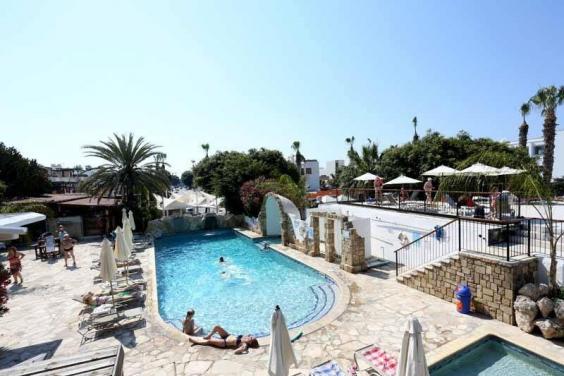
The quieter, smarter end of Kato Paphos is east of the harbour where there is a string of stylish five-star hotels. It is hard to beat the marble splendour of the Annabelle (13) (annabelle.com.cy), set in lush gardens next to a stony beach right by the waterside. Doubles from €205, including breakfast.

Book Now
10934006-776312009119385-8301085012690282507-n.jpg
Find Dionysos Central Hotel near Paphos Castle (Facebook)

There are plenty of mid-range options around the busier (yes, noisier) harbour area. Three-star Dionysos Central Hotel (14) (dionysoshotelpaphos.com) is moments from the castle and beach, and good value. Doubles from €89, including breakfast. 

Book Now

Family-run Axiothea Hotel (15), at 2 Ivis Malioti Street (axiotheahotel.com), is a traditional little no-frills place in the old town. It makes up for the lack of pool and its distance from the sea with the warmest of welcomes, and a commanding position (see Take a view, above). Doubles from €50, including breakfast.

Book Now

Expert Cyprus operator Sunvil (sunvil.co.uk) also offers three-night and seven-night breaks to Paphos, including accommodation and return flights, from £394 per person.

Thursday, 6 April 2017

Have a Cool Runnings bobsled adventure in Jamaica

It’s been 29 years since the first Jamaican bobsled team competed in the Calgary Winter Olympics, a story that was made into the cult Disney film – Cool Runnings. And the good news is, you don’t need to wait for the sequel, you can have a bobsledding adventure of your very own. Here’s how…

Jamaica has a long list of famous exports, from Usain Bolt and Bob Marley to James Bond and jerk chicken. And of course, there’s Cool Runnings – a nineties Disney classic based on the real-life Jamaican bobsled team who made their bid for Gold at the Calgary Winter Olympics in 1988. Filming took place along the west coast of Jamaica between Negril and Montego Bay, and in Lucea, too. Remember the scene where the team are fundraising for their Olympic bid? That’s outside the Lucea Municipal Building near our Grand Palladium Jamaica Resort and Spa hotel.

You’ll find the original bobsled on display at Montego Bay Airport at the Jamaican Bobsleigh Cafe along with signed memorabilia from the team. And, you can even have your own bobsled race on Mystic Mountain in Ocho Rios. The action-packed adventure park crams in an aerial gondola ride, a bobsledding adventure, 10 zip-lines and even an infinity pool and waterslide. We put it to the test to see how much fun you can have on a mountain in one day…

Sky Explorer

Our adventures on Mystic Mountain started in the most exhilarating way – with an 8-minute gondola ride to the top of the mountain. You might have been on a ski lift before, but have you taken one through the jungle? It’s an entirely different experience. The speedy lift ascends swiftly over the treetops of the rainforest and you’ll take in spectacular views of the bay and sea below, travelling over 700 feet above the Caribbean Sea. Once we got our heads around the height, we were able to enjoy the incredible views (it’s so peaceful up there!) and take a few snaps.

The bobsled

We hopped off at the top and went straight over to the bobsled to get the Cool Runnings experience. The 1,000 metre tree-lined track twists down the mountainside and through rainforest, and best of all, the Jamaican-inspired bobsled looks just like the ones from the films. You can ride on your own, in tandem, or even as a family with all the bobsleds linked together. You just need to make sure you trust your driver at the front, because they can use the handbrake to slow down and take in the pretty surroundings or really crank up the speed. We decided to do what the real Jamaican bobsled team would do, and go full throttle. Because, how fast can it be?

All we were missing was a lucky egg. But thankfully, we made it to the end in one piece. The ride might have started off nice and slowly, but as we plummeted down, we reached an exhilarating speed of around 40 mph and the landscape became a bit of a blur. Once the ride finishes, a lift takes you back to the top of the mountain and you can ride again if you fancy and try to beat your own record.

Museum, hummingbirds and butterflies

Before getting ready for the next adrenaline-packed adventure, there was plenty to see at the top of the mountain. There’s a Butterfly and Hummingbird Attraction Garden which has been designed to attract the creatures in their natural environment. You can spot native species of hummingbird among the plants including Jamaican Mango, Eastern and Western Streamertail and the Vervain Hummingbird which is the second smallest bird in the word. There’s also a small museum which displays bobsledding and sports memorabilia, and a café where you can grab a snack. There’s even an infinity pool and waterslide where you can cool off and get views over Ocho Rios.

Zip-lining

There’s only one way to get down the mountain, and that’s on a zip-line or ten. Ok, well you could take the sky explorer but that’s hardly the most exciting option. There are ten zip-line platforms to cross with increasing difficulty – each one seemed to get longer and higher. You can even see the ocean in the distance from the longest line. The friendly, fun loving guys who run the zip-line tour make the experience even more fun, and entertain you as you go. There were a few apprehensive members of our group, but by the end we were all zip-lining pros.

Fancy having a bobsledding adventure of your very own? Check out our __holidays to Ocho Rios here and book our Mystic Mountain excursion.

How to do Manila in two days: From Trump Tower to huge steaks and the world's weirdest cemetery

Why go now?

The Philippines megacity is back in fashion for the first time since Imelda Marcos stunned the world with her insane shoe collection. Paris Hilton’s team have broken ground on her second Manila beach club, while the arrival of the Milano Residences, a Versace-designed behemoth, marks a giant leap forward for the city’s trend credentials.

They’ll be joined in early 2017 by the ultimate skyline disrupter: Manila’s poutiest new landmark, the US President-elect’s shimmering 57-storey Trump Tower. If you thought the Philippines’ capital was all about chaos and monsoon rains, then think again: it’s undergoing a transformation so bonkers it may as well be screaming “Look at me”.

Get your bearings

Manila is at its sparkling best as seen from 71 Gramercy (1), a fantasy 71st-floor rooftop bar in Makati (115 D Tuazon, 00 63 917 809 4093; 6pm-6am), the city’s hyper-realised business and shopping district and one of Metro Manila’s 16 satellite towns. 

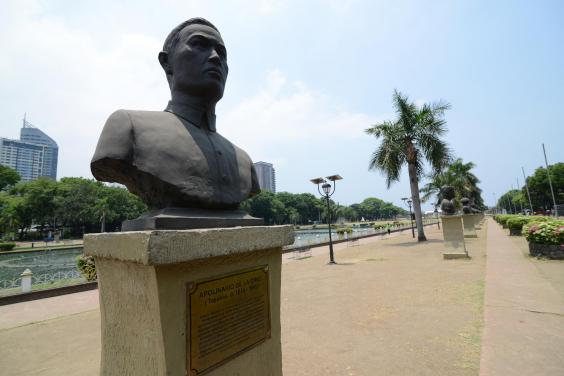
To the north, hidden by towers and the perpetual fug of a traffic-fuelled haze, lies Intramuros (2), the medieval Spanish walled city and historic focal point for government and trade. To the fort’s south, the city’s green lung, Rizal Park (3), is home to ornamental gardens, fountains and a pantheon of national hero statues. Dwarfing them, modern Manila continues to shoot up at pace, the Second World War-battered centre now cradled by wave after wave of concrete shards, residential blocks and unfinished Jenga-like condos.

Day one

Take a hike

Begin a morning stroll in Intramuros (2) when it’s still cool. At this time, the tricycle guides are snoozing and the vintage horse-drawn carriages are tied up, so you won’t get hassled.

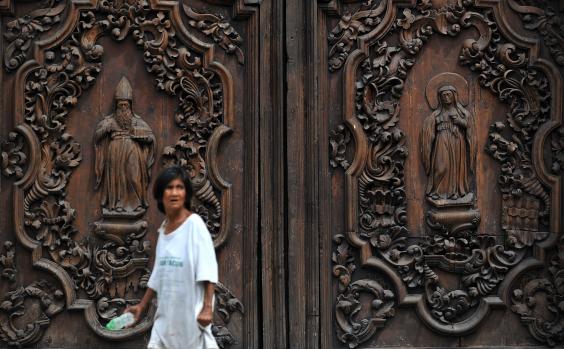
View the distinctive façade of the San Augustin Church (4), originally made of bamboo, then head towards nearby Santa Lucia Street to ogle the likes of Ferdinand Marcos and his cronies at the Philippine Presidents’ Gallery (5). Conspicuous by his absence from the series of outdoor sculptures lined up against the crumbling fort walls is current President Rodrigo “The Punisher” Duterte, who continues to cause international outrage with his hardline crackdown on the drug trade.  

gettyimages-165106199.jpg
The intricately carved doors of San Augustin Church (Getty)

Farther north on Plaza de Roma, you’ll find the eighth reincarnation of Manila Cathedral (6), a church that simply refuses to go quietly. Damaged by fires, destroyed by typhoons and earthquakes, and a casualty of war during the Battle for Manila in 1945, it’s a testament to the dogmatic spirit of Filipinos, one of the most devoutly religious peoples you’ll ever meet. As a reminder you’re still in the tropics, its wrinkled masonry brow is pierced with stone-carved pineapples.

Lunch on the run

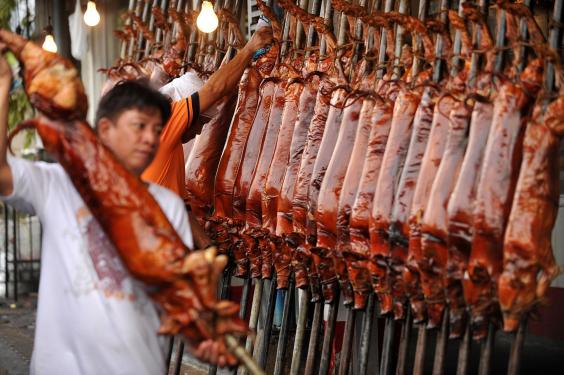
In the Philippines they swear by lechon, one of the world’s unhealthiest national dishes. A fatty suckling piglet soaked in salty soy then barbecued until cherry red, it’s served on street corners throughout the country. For a sleeker, stiff-upper-lip version, drop in to Ilustrado (7) (ilustradorestaurant.com.ph; dishes from £6.50), a restaurant steeped in old-world charm where the speciality is also kare kare, an oxtail and tripe stew drowned in sticky peanut sauce.

gettyimages-107862203.jpg
The Philippines’ favourite street snack is lechon, fatty suckling pig (Getty)

Window shopping

Across the courtyard you’ll find General Luna Street and Si-lahis Arts & Artifacts (8) (silahis.com; 10am-7pm), a colonial townhouse of antiques and local treasures where time seems to have stopped. Spread across its four floors are beautiful masks from the island of Palawan, intricately woven baskets, hand-spun textiles and beady-eye statues, most of which are never going to fit in your suitcase.

An aperitif

To mingle with local millennials, hop in a taxi to the new go-to destination Fort Bonifacio (9) before the city’s unbearable rush hour crush ruins your plans. Here modern Manila shows off its best hipster face, no more so than on Burgos Circle (10), a precinct crammed with US-influenced beer bars, smokehouses and burger joints.

12246856-10153286380112709-9067091364188502922-n.jpg
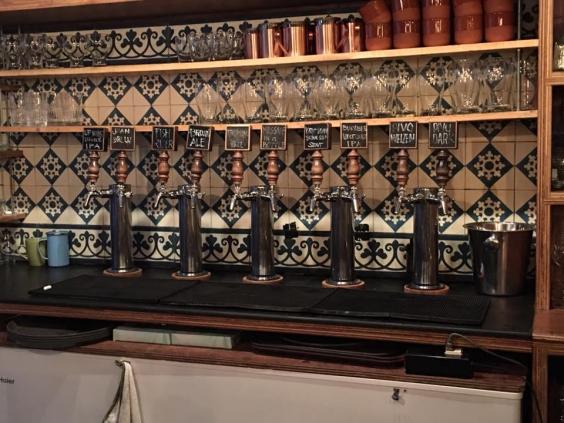
The line-up of craft beer taps at brew bar Big Bad Wolf (Facebook)

Two to try for Filipino beer-food pairings are Big Bad Wolf (11) (Forbestown Rd, 00 63 2 822 5833; 11am-2am) and The Perfect Pint (12) (32nd Street, 00 63 2 823 1320; 10am-2pm). Also highly worth sniffing out are devilishly-good beers from the all-female run Palaweño Brewery, available at both of these bars. 

Dine with the locals

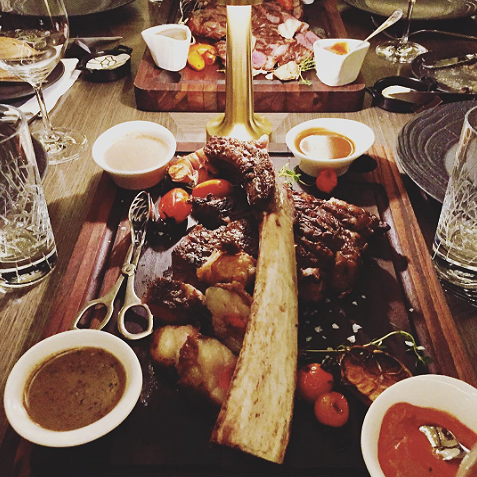
Unlike other South-East Asian capitals weaned on noodles and broth, Manila is all about the meat, preferably when served up in slab-size portions. That explains the wall-to-wall well-heeled Manileños dining at Raging Bull Chophouse and Bar (13) (ragingbullchophouse-fort.com; dishes from £27), a new steakhouse only a short walk along 28th Street. While it firmly has its roots in 1930s New York (cue monochrome tiles, couchette booths, a lamp-lit whisky bar, and art deco fittings), the beef is grain-fed, dry-aged Australian and all kinds of good.

15826274-2207772832782180-8924285862618182374-n.png
A 1.1kg Tomahawk wagyu steak at Raging Bull Chophouse and Bar (Facebook)

Day two

Sunday morning: out to brunch

Swamped with food markets, feng shui shops and faded temples, the neighbourhood of Binondo (14) is said to have been home to the first Chinatown in the world. There is no escape from this on Ongpin Street where the dim sum dumpling is king, so give in to a no-frills teahouse such as Mei Sum Tea House (15) (965 Ongpin Street; dim sum from £1.50) or President Tea House (16) on Salazar Street (mains about £3.50). They’re both survivors from a different era, but few places in the city remain better for a Cantonese blow-out. 

A walk in the park

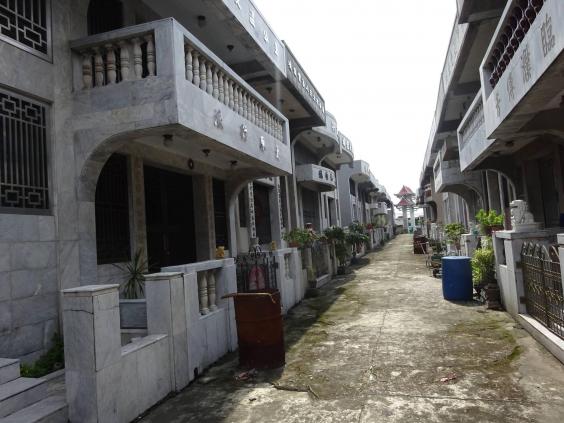
The mind-boggling Chinese Cemetery (17) north of the Pasig River (take the LRT train to R. Papa Station; 7am-7pm) is barmy on two counts: first, the deceased are buried in lavish mausoleums and tombs with every modern convenience imaginable (some even with working toilets, crystal chandeliers and air con units); second, the graveyard has a sizeable population who live side-by-side with their dead relatives in homes within the cemetery. Book with Old Manila Walks (oldmanilawalks.com; £15) for a highly-recommended walking tour to suss out what the heck’s going on. 

11222104-1228913773836040-998040503303398773-o.jpg
Mausoleums at Manila’s boggling Chinese Cemetery (Facebook)

Take a ride

The cobbled backstreets of Intramuros (2) are best explored by bike, especially on one made of bamboo. The brainchild of Filipino-American Bryan Benitez McClelland, Bambikes are made using a sustainable knit of bamboo and abaca twine and he champions fairtrade labour and sustainable building practices (bambike.com; rentals £3.20 per hour; guided tours £20; 10am-12.30pm or 3-5pm). 


Special delivery! #Bambino by @bambike #Bamboobike #handmadeinthephilippines

A photo posted by Bryan Benitez McClelland (@bambryan) on


For the perfect tour, weave through the streets from the Bambikes workshop on Plaza San Luis (18) to Fort Santiago (19) for the backstory on national hero Dr José Rizal (Santa Clara Street; £1.20; 8am-6pm). From here, double-back via the world’s oddest Starbucks (20) inside a disused prison cell built into the city walls (corner of Muralla Street and Magallanes Drive; 9am-9.30pm) for a spritely circuit of the attractions and chess club tournaments of Rizal Park (3).

17106987229-bef3f0ef8f-k.jpg
Indulge in a spot of people-watching at Rizal Park (Jorge Lascak/Flickr/CC BY 2.0)

Cultural afternoon

Manila is characterised by four seasons: hot, hotter, wet, and super wet. Which makes an afternoon wandering the air-con galleries at the Ayala Museum (21) (ayalamuseum.org; £7) in Makati an easy sell. A labour of love for the Zóbel de Ayala family, arguably the richest in the country, it’s dedicated to Filipino culture, ethnography and art. The stand-out exhibit is the Surigao treasure, a dazzling hoard of more than 1,000 pieces of pre-conquest gold.

The icing on the cake

It has to be the crazy-as-cuckoo Coconut Palace (22) overlooking Manila Bay. Built by Imelda Marcos to impress Pope John Paul on his papal visit in 1981, the £30m presidential residence is so fanciful and extreme – everything in it is designed as an homage to the fruit, including a ridiculous 101-coconut-shell chandelier – it did exactly the opposite. The pontiff ended up staying in a far more modest hotel in Intramuros (2), but the palace still endures: a legacy of the crackpot rule of the Marcos family. It opens for erratic tours, so check first with your hotel.

gettyimages-165106101.jpg
Coconut Palace, which proved too over the top for the Pope (Getty)

Travel essentials

Getting there

KLM flies to Manila via Amsterdam from several UK airports, including London, Birmingham, Manchester, Glasgow, Edinburgh and Cardiff (klm.com; returns from £498). Ninoy Aquino International Airport (23) is 12km south from Manila’s historic centre Intramuros (2). 

There is limited public transport to and from the airport, so the only real option is to bundle into a taxi. Fares should cost you no more than £7, with a one-way taxi ride to Makati costing £5. The three LRT and MRT train lines that intersect the city are a little clunky, but can be a handy way to avoid sitting in traffic (30p). Just don’t think about using them during rush hour, which is 6am to 10am and 3pm to 8pm; they become unbearably choked with commuters. 

Staying there

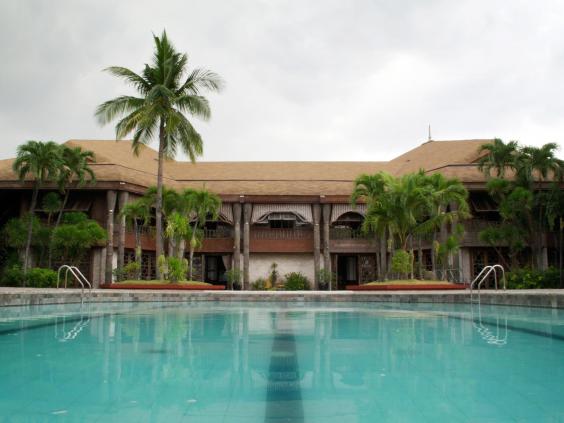
The shiny new Shangri-La at the Fort (24) (00 63 2 820 0888; shangri-la.com) on 30th Street in Fort Bonifacio opened in mid-2016 and fuses high-rise glamour with luxury frills. What’s most impressive is not the army of concierges, heated pools or health clubs, but the views (and free canapés and cocktails) from the executive Horizon Club on the 40th floor. Doubles from £205, B&B.

Book Now
1913695-1248605278502773-50505565171662404-n.jpg
Cool off at Manila’s five-star Shangri-La at the Fort (Facebook)

Celebrating its centennial next year, the Belle Époque-style Luneta Hotel (25) (00 63 2 875 8921; lunetahotel.com) is a grand old dame overlooking Rizal Park (3). Despite the years, there’s no sign of any blips, wear or tear. For sunset romance, take the lift to its rooftop cocktail bar, which overlooks the glory of all that colonial-era Manila madness. Doubles from £68, B&B.

Book Now

Few hostels in the Philippines are as switched-on to budget travellers as Pink Manila (26) (00 63 2 484 3145; pinkmanilahostel.com). It’s heavy on backpacker quirks, but also comes kitted out with penthouse views of the city, a pool and an enviable terrace to laze away the muggy afternoons in a hammock. From £8 for an eight-bed shared dorm.

Book Now

Wednesday, 5 April 2017

Two days in Palma: Why the Mallorcan capital is perfect for an Easter city break

Why go now?

Visit in April to catch the week-long Easter celebrations. Holy Thursday (13 April) is when the most colourful parades take place, including the spectacular La Sang procession, which sees a representation of Christ being carried through the streets. 

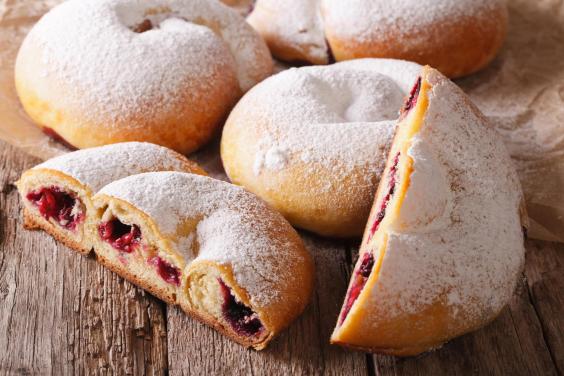
'Angel Sunday' (Domingo del Angel) on Easter Sunday includes a procession and music. There's also traditional food to sample in the form of savoury panades, sweet rubiols and crespells (pastries), which can be found in local bakeries and cake shops.

palma-street.jpg
As the island warms up, April's a good time to visit ( iStock/ Lunamarina)

Get your bearings

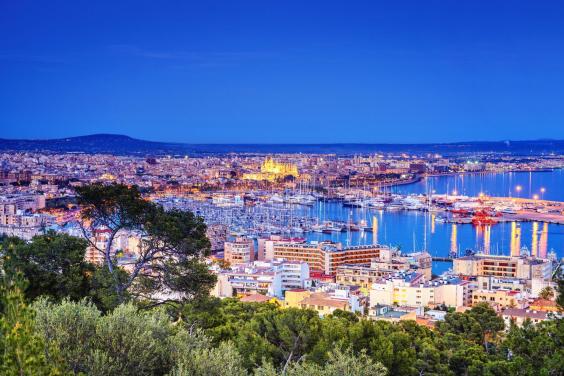
Located in the south of Mallorca and just 15 minutes by taxi or bus from the airport, Palma is simply laid out in long, straight avenues. The main square is Placa Major (1), and key areas to explore include the old town, Passeig del Born (2), La Rambla (3) and Paseo Maritimo (4), which is next to La Seu cathedral (5), and has a real buzz at night. The harbour starts at the cathedral and borders the west - the promenade runs to the ferry port approximately 3.5km from the old town. The main tourist office is Informacio Turistica de Mallorca (6), at Plaça de la Reina, 2, 07015 (+34 971 173 990; infomallorca.net). It is open 8.30am-8pm Monday to Friday, 8.30am-3pm on Saturday and closed on Sundays.
Current exchange rate: £1 = €1.17

Day One

Window shopping

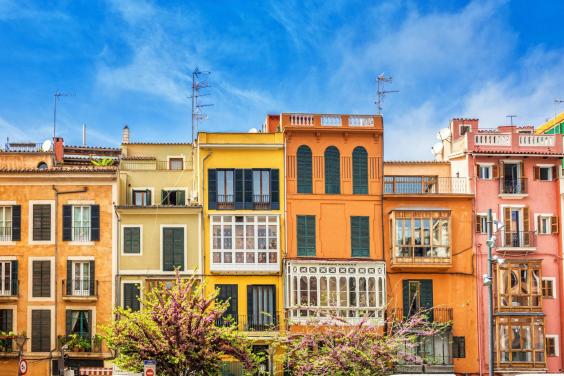
Palma has serious shopping potential with a number of trendy boutiques. However, it’s wise to check opening hours as some close for ‘siesta’ (typically around 2-5pm) and/or are closed on Sundays. The area around Born, Via Roma (7) and Plaça Major has a plethora of shops for all budgets. 
palma-colourful-buildings.jpg
Palma has a vibrant shopping scene ( iStock/ Juergen Sack)

High up on Mallorcan fashionistas’ wishlists are Spanish designer brand Angel Schlesser, at Carrer de Sant Nicolau (8) (+34 971 71 82 73; angelschlesser.com) for women’s clothes, accessories and exclusive fragrance; and Purificacion Garcia at Placa del Mercat (9) (+34 971 71 83 97; purificaciongarcia.com), which caters for stylish men and women with bags to die for. For men, La Principal at Career dels Paraires (10) (+34 971 72 17 67) is all about carefully curated urban styling, with designers including Opening Ceremony, Nudie and Hentsch.

Lunch on the run

Seek out a ‘menu del dia’ lunch deal, or head to Mercat Olivar (11), at Placa de l’Olivar 4 (+ 34 971 720 314 15; mercatolivar.com) where you can pick up a locally produced bite to eat from one of the many food stalls, counters and restaurants serving fish, tapas and even sushi. Try the family-run Bar Paco for homemade tapas or Ostras Cocedero for Manolo’s fresh seafood, including oysters, kipper and cod. The market’s closed on Sundays.

Cultural afternoon

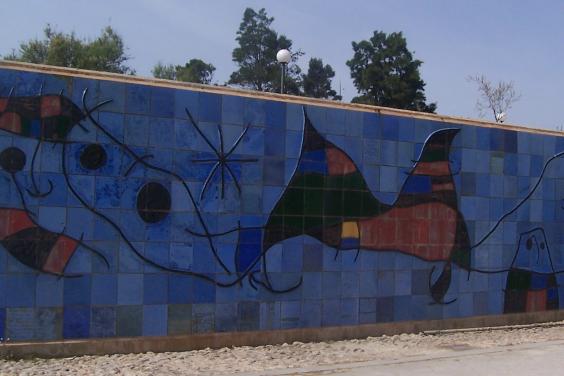
Take a no.3 or no.46 bus from the main bus and train station Estacio Intermodal (12) – just off the Placa d’Espanya – for the half-hour ride to the Joan Miró Foundation (13) (+34 971 70 14 20; miro.palmademallorca.es), a museum in Cala Mayor dedicated to the work of the surrealist artist Joan Miró.

palma-miro.jpg
Artist Joan Miro left his legacy on the island, with works including a ceramic wall in Parc del Mar ( Selbst Fotografier)

Wander around the sculpture garden and Miró’s studio and workshop – the collection includes paintings, drawings, sculptures and personal objects. It’s open from 10am until 6pm (winter) and 7pm (summer) Tuesday to Saturday; 10am-3pm on Sundays and holidays all year round. Entry is €7.50 (or free on Saturdays from 3pm and all day on the first Sunday of each month).

An aperitif

Es Baluard Restaurant and Lounge (14) (+34 871 23 49 54; esbaluard.org) in the Es Baluard modern art museum is the perfect sundowner spot, with its views of the bay of Palma and cathedral. Toast the evening with a glass of Hierbas, a Mallorcan aniseed and herb liqueur best served on the rocks. 

palma-harbour.jpg
Visitors can enjoy magnificent views of the harbour over an aperitif ( iStock/ Juergen Sack)

Alternatively, take a 7km cab ride to the glamorous OD Port Portals (15) (+34 971 67 59 56; od-hotels.com) in chic Portals Nous – head up to the Sky Bar for killer cocktails and sunset views akin to those found on Ibiza. It may be a hotel bar but the views make up for it.

Dine with the locals

Fusion food with a twist and uber-stylish decor are on the menu at hip dining destination Balagan by ETOH in hip Santa Catalina (16) (+34 971 22 21 00; balaganbyetoh.com). Chef Emil Bergman Podeur fuses Middle Eastern and Balkan flavours in a menu that’s made for sharing. Order individual plates or the six course set menu for a most agreeable €27.00. 


Day Two

Out to brunch

Ensaimadas – pastries, filled with cream, custard, chocolate or apricot – are a typical Mallorcan breakfast. Find them at their best at Ca’n Joan de S’aigo (17) (+34 971 71 07 59; canjoandesaigo.com), where prices also happen to be extremely reasonable – €3 gets you coffee with an apricot ensaimada. It’s open from 8am.

palma-ensaimadas.jpg
Ensaimada pastries are a Mallorcan speciality ( iStock/ Alleko)

Take a hike

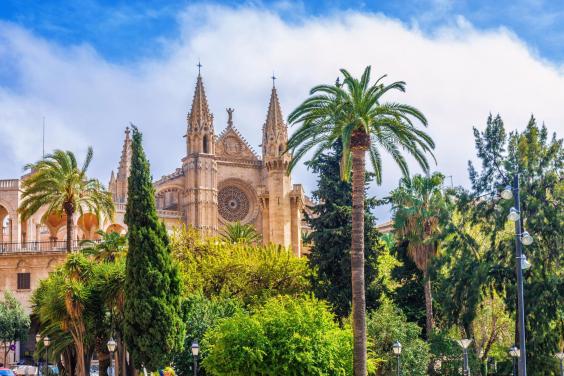
Start at the grand Gothic cathedral La Seu (5) which is a must-see (+34 902 02 24 45, catedraldemallorca.org). Overlooking the harbour, it was built between the 13th and 17th centuries; Catalan architect Antoni Gaudí redesigned parts of the interior in the early 20th century. It’s open 10am-6pm Monday to Friday from June to September; 10am-5.15pm from 1 April to 31 May; and 10am-2pm Saturdays all year round. Entry costs €4.

From there, head next door to the 14th-century palace La Almudaina (18) (+34 971 21 41 34; no web). Dating back to Roman times, these days the King of Spain resides here when on the island. It's open 10am-6pm, entry €7. 

palma-cathedral-palm-trees.jpg
La Seu Cathedral is a must-see attraction in Palma ( iStock/ Juergen Sack)

Turn left for a stroll along the seafront which is the perfect spot for people-watching – while you’re there drop into the La Llonja art space (19) which often has a free installation inside. Finish your walk at the historical landmark Monument a Ramon Llull (20) on Passieg de Sagrera.

A walk in the park

The most central park is Parc del Mar (21). Situated at the foot of the cathedral and a few steps from the Monument a Ramon Llull, there’s a man-made saltwater pond, fountain, tree lined promenade and lawns, plus a children’s playground. If you’re lucky you may even catch an open-air concert or cinema.

Take a ride

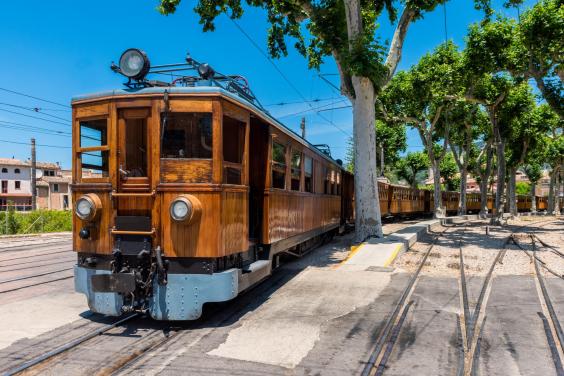
Jump on the vintage Soller train  (+34 971 75 20 51; trendesoller.com) from Plaça de España (22). It's a 7km trip which rises up to 199 metres, crosses several bridges and covers a scenic route from Palma to the beautiful town of Soller (23), via the Mallorcan countryside and the Tramuntana mountains. 

palma-soller-tram.jpg
The vintage Soller train takes passengers on a scenic route from Palma ( iStock/ Allard)

Once you reach your destination, you can also take the Soller electric tram to the Port of Soller (24), a village and beach resort on the west coast of the island.

Travel Essentials 

Getting there

Most budget airlines fly to Palma. Jet 2 (0333 300 0404; jet2.com) operates a year-round service from London Stansted and Birmingham; Easyjet (0843 104 5000; easyjet.com) operates from Belfast, Bristol, Edinburgh, Glasgow, Liverpool, Manchester, Newcastle and all London airports; Flybe (0371 700 2000; flybe.com) flies from Doncaster Sheffield, Exeter, Southampton, Belfast, Dublin, Edinburgh and Glasgow; British Airways (0844 493 0787; ba.com) flies from London, Birmingham, Manchester, Bristol and Edinburgh. 

The city centre is located 8km from the airport (25); bus route 1 runs approximately every 15 minutes and costs €1.85. Taxis are available outside the arrivals area and are charged per kilometre; prices vary depending on time of day and there is also an airport surcharge.

Staying there

Glamorous Boutique Hotel Can Alomar (26) (+34 871 59 20 02; boutiquehotelcanalomar.com) boasts a prime location in a 15th-century listed building. With 16 rooms and suites, there is also a pool, sun terrace and spa. Doubles from €300, room only. 

palma-boutique-hotel.jpg
The Boutique Hotel Can Alomar offers modern luxury housed in a 15th century building (Boutique Hotel Can Alomar)

The boutique 57-room Nakar Hotel (27) (+34 971 72 02 23; nakarhotel.com) has been designed as an authentic Balearic guesthouse and includes a spa, roof sundeck and pool with views of the old town. Doubles from €229, B&B. 

Located off the harbour promenade, Hotel Feliz (28) (+34 971 28 88 47; hotelfeliz.com) has 44 rooms, a roof terrace, sun terrace and plunge pool. Doubles from €129, B&B.